Introduction
The music production industry is evolving at breakneck speed. From AI-assisted mixing to immersive spatial audio, the skills required to compete as a modern producer go far beyond knowing how to lay down a beat. That is exactly why the school you choose matters.
The institutions on this list share a few things in common: top-tier programs, futuristic facilities, and alumni hit-makers whose credits span Grammy-winning albums, blockbuster film scores, and chart-topping singles. Whether you are drawn to Berklee's legendary reputation in Boston, SAE Institute's global campus network, or Abbey Road's hallowed halls in London, there is a program here that fits your goals, budget, and creative vision.
Below, we profile six of the best music production schools in the world, then cover the practical questions every prospective student asks: what degree you need, how much it costs, whether the career is worth it, and how to pick the right program for you.
What Is Considered the #1 Music School?
Berklee College of Music consistently takes the top spot in global music school rankings. Founded in 1945, Berklee was one of the first institutions to focus entirely on contemporary music rather than classical performance. Its alumni roster reads like a who's who of the recording industry: Quincy Jones, John Mayer, St. Vincent, Esperanza Spalding, Aimee Mann, and hundreds of Grammy winners.
What sets Berklee apart is the breadth of its curriculum. While many schools focus narrowly on audio engineering, Berklee covers everything from electronic production and sound design to film scoring, songwriting, music therapy, and music business. That broad foundation, combined with its location in Boston's thriving arts community and its newer Valencia, Spain campus, makes it the default recommendation for students who want the most options after graduation.
That said, "best" depends on what you are looking for. If you want hands-on studio time in a legendary recording space, Abbey Road Institute is hard to beat. If you need a global campus close to home, SAE Institute has you covered. Each school below excels in a different way.
The Top Music Production Schools
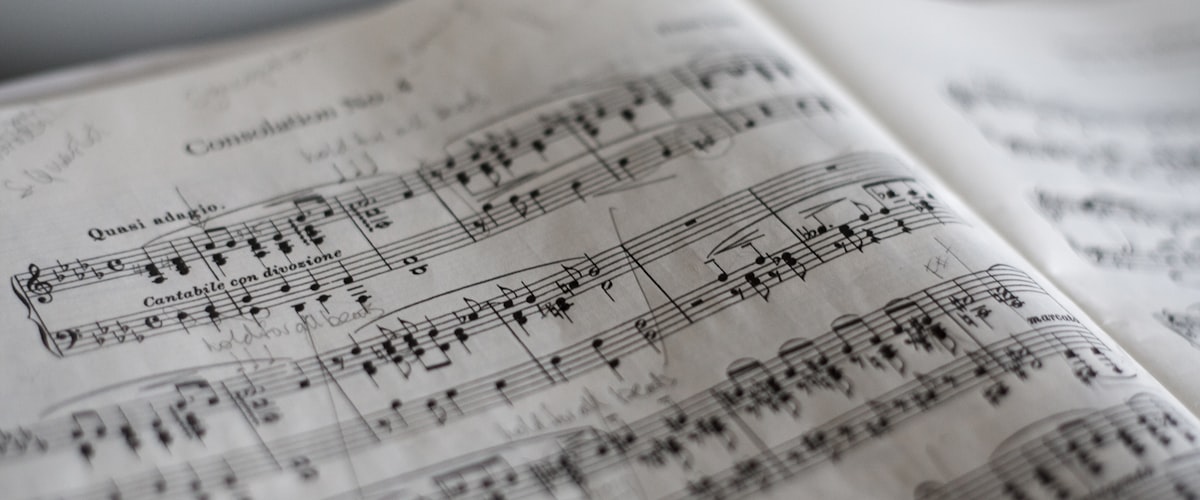
Berklee College of Music
Boston, Massachusetts, USA · Valencia, Spain
Berklee is the gold standard for contemporary music education. Its Electronic Production and Design (EPD) program is one of the most advanced in the world, blending synthesis, audio programming, interactive music, and sound design for visual media into a rigorous four-year curriculum. The Contemporary Writing and Production program is equally respected, producing graduates who write and produce for major-label artists across every genre.
Faculty at Berklee are not just academics; they are active industry professionals. You will study under producers, engineers, and composers who have worked on everything from platinum hip-hop records to AAA game soundtracks. The school's career center is one of the most active in higher education, connecting students with internships and job placements at labels, studios, tech companies, and media organizations.
Berklee also offers generous financial aid. The majority of students receive some form of scholarship or grant, and the school's global network of over 50,000 alumni provides a professional community that extends well beyond graduation.
SAE Institute
Multiple global campuses (50+ locations)
SAE Institute is the largest global network of creative media schools, with campuses on every inhabited continent. Founded in Sydney, Australia in 1976, SAE has grown into a powerhouse for hands-on audio education. The curriculum is deliberately practical: from your first week, you are in the studio recording, editing, and mixing real sessions rather than sitting through theory-heavy lectures.
SAE offers several tiers of programs. The Audio Technology Diploma provides a focused introduction to studio production, while the Audio Bachelor's degree goes deeper into mastering, game audio, and post-production. Specializations are available in studio production, live sound, mastering, and game audio, allowing you to tailor your education to your career goals.
One of SAE's strongest selling points is its alumni network and industry pipeline. Graduates have gone on to roles at Sony, Disney, Apple, and Google. The school also offers Lifetime Career Services, meaning you can access job placement assistance, resume reviews, and industry connections long after you graduate.
Full Sail University
Winter Park, Florida, USA
Full Sail University has built a reputation as one of the most immersive and technology-forward music production programs in the United States. The B.S. in Music Production is designed to move fast: accelerated scheduling means you can complete a bachelor's degree in about 20 months on campus, significantly faster than a traditional four-year program.
What makes Full Sail unique is the personal production studio package. Every on-campus music production student receives a MacBook Pro loaded with professional software including Pro Tools, Logic Pro, and Ableton Live. You work on your own machine throughout the program, building a portfolio from day one. The school's flagship recording facility, the Audio Temple, is an SSL-equipped studio complex that rivals commercial recording spaces.
Full Sail also offers a fully online B.S. in Music Production at a significantly lower tuition point, making it accessible to students who cannot relocate to Florida. Both tracks lead to the same degree and provide access to Full Sail's industry connections and career development services.
BIMM Institute
Multiple UK & European campuses
BIMM Institute is the leading popular music education provider in Europe, with campuses in London, Birmingham, Manchester, Brighton, Bristol, Dublin, Berlin, and Hamburg. The BA (Hons) Music Production program is a three-year undergraduate degree validated by UK universities, meaning you graduate with a fully recognized honours degree.
BIMM's approach emphasizes collaboration. Music production students work alongside songwriters, performers, and music business students on real projects, replicating the interdisciplinary workflow of a professional studio or label. The Electronic Music Production pathway is tailored specifically for producers working in electronic genres, covering synthesis, sampling, beat-making, and live performance technology.
BIMM Connect is the school's proprietary networking platform, linking current students with alumni and industry professionals. Students can also pursue a joint honours degree combining Music Production with Music Business, giving them both the creative and entrepreneurial skills to launch independent careers.
Icon Collective
Downtown Burbank, Los Angeles, California, USA
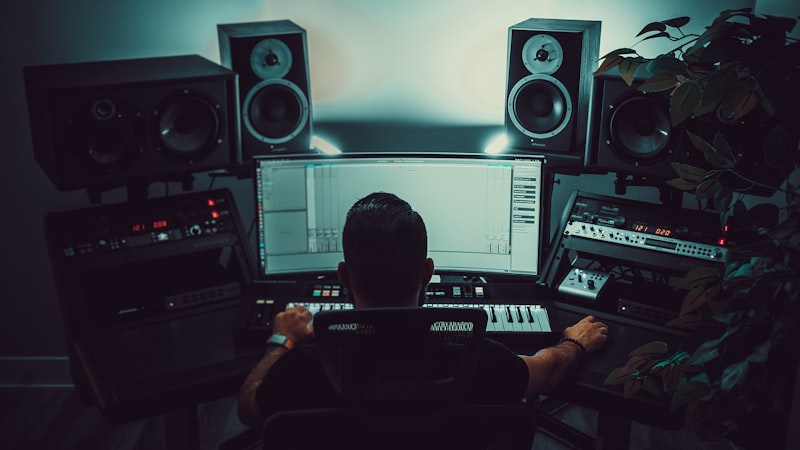
Icon Collective is a boutique music production school in the heart of the Los Angeles music industry. Unlike larger institutions, Icon focuses exclusively on music production and electronic music, with Ableton Live as its primary DAW. The intimate class sizes and one-on-one mentorship model mean you get direct, sustained feedback from experienced producers throughout your program.
The school operates over 25 professional studios, giving students extensive hands-on time with professional equipment. Programs range from foundational courses for beginners to the advanced program, which culminates in the creation of a polished 10-track album under faculty guidance. That album serves as your portfolio and calling card when entering the industry.
Icon's location in Burbank puts you minutes from major studios, labels, and sync licensing companies. The school regularly brings in guest speakers and industry professionals, and its alumni community in the LA area provides a tight-knit network for job referrals and collaborations.
Abbey Road Institute
London, Amsterdam, Frankfurt, Miami, Paris, Sydney (+ more)
Abbey Road Institute carries the weight of nearly 90 years of recording heritage. Founded by Abbey Road Studios, the school offers an intensive one-year Advanced Diploma in Music Production and Sound Engineering. The program is designed for students who want to go deep, fast. You cover recording, mixing, mastering, music production, and the business of music in 12 months of full-time, hands-on study.
The London campus gives students access to the actual Abbey Road Studios, the same rooms where The Beatles, Pink Floyd, Adele, and countless other artists have recorded. Even at international campuses, the curriculum and quality standards are developed and maintained by the Abbey Road team in London.
The one-year format makes Abbey Road Institute a compelling option for career changers, gap-year students, or anyone who wants a concentrated, professional-grade education without committing to a three- or four-year degree. Graduates leave with a portfolio, industry contacts, and a credential that carries serious name recognition worldwide.
Where Should I Go to Learn Music Production?
The right school depends on your goals, budget, and preferred learning style. Here are a few guiding principles:
- If you want the most recognized degree: Berklee College of Music offers the strongest brand recognition and the largest alumni network in the world.
- If you want to study near home: SAE Institute and BIMM Institute have campuses across multiple countries, so you may find a program within commuting distance.
- If you want to finish quickly: Abbey Road Institute's one-year diploma and Full Sail's accelerated bachelor's are designed for focused, fast-track learning.
- If you want deep specialization in electronic music: Icon Collective's Ableton-focused curriculum is built specifically for electronic producers.
- If you need an online option: Full Sail University offers a complete online B.S. in Music Production, and Berklee Online provides courses and degree programs that you can complete remotely.
Regardless of which school you choose, visit the campus (or attend a virtual open day), talk to current students, and review the curriculum in detail before committing. The best program is the one that aligns with your specific career ambitions and creative interests.
Is There High Demand for Music Producers?
Yes, and the demand is growing. The music industry's revenue has increased steadily over the past decade, driven by streaming, sync licensing, and the explosion of content creation. But the demand for production skills extends well beyond traditional music. Podcasts, YouTube channels, video games, film, television, advertising, and social media platforms all need audio professionals who understand production, mixing, and sound design.
The U.S. Bureau of Labor Statistics projects growth in audio-related occupations, and independent platforms like Fiverr, SoundBetter, and Splice have created entirely new freelance marketplaces for producers. Producers who diversify their skills across multiple areas of audio, such as combining music production with sound design for games or post-production for film, tend to find the most consistent work.
What Degree Is Best for Music Production?
A Bachelor of Science or Bachelor of Music in Music Production is the most common and broadly useful degree. It gives you a solid foundation in audio engineering, music theory, DAW proficiency, and the business side of the industry. Many employers and collaborators view a bachelor's degree as evidence that you have committed to serious, structured training.
A Master's degree (M.A. or M.M. in Music Technology, Audio Engineering, or a related field) is worth pursuing if you want to specialize in a niche area like spatial audio, acoustic design, music information retrieval, or if you plan to teach at the university level. It is not required for most production careers, but it can open doors in research, academia, and highly specialized technical roles.
Diploma and certificate programs, like those offered by Abbey Road Institute and SAE, are excellent for students who want practical skills without a multi-year commitment. These credentials carry weight in the industry, especially when they come from a school with a strong reputation.
Curriculum and Specializations
Modern music production programs cover a wide range of tools and techniques. Expect to work extensively with industry-standard DAWs including:
- Ableton Live — the standard for electronic music production and live performance
- Logic Pro — Apple's flagship DAW, widely used in songwriting and pop production
- Pro Tools — the industry standard for recording studios, post-production, and mixing
- FL Studio — popular in hip-hop, trap, and beat-making communities
- Cubase / Nuendo — Steinberg's professional DAWs, common in European studios and game audio
Beyond DAWs, top programs cover synthesis and sound design, sampling and sample manipulation, mixing and mastering, audio for film and games, live sound engineering, music business and copyright, and increasingly, spatial audio formats like Dolby Atmos and Ambisonics.
Specializations vary by school. Berklee offers dedicated pathways in electronic production, film scoring, and songwriting. SAE lets you specialize in game audio or mastering. Full Sail integrates music production with its broader entertainment curriculum. Choose a program whose specializations align with the career you want.
Online and Hybrid Learning Options
The pandemic accelerated a shift toward online music education that has proven durable. Several of the schools on this list now offer robust online or hybrid programs:
- Berklee Online offers individual courses, certificates, a Bachelor of Professional Studies, and even a Master of Music in Music Production. It is the largest online music school in the world.
- Full Sail Online provides the same B.S. in Music Production curriculum as the campus program, delivered entirely remotely at a lower tuition point.
- SAE Online offers select diploma programs through a combination of live virtual sessions and self-paced coursework.
Online programs work best for self-disciplined students who already have a basic home studio setup. The trade-off is reduced access to professional studio facilities and less organic networking with peers. If you can attend in person, the hands-on studio time and face-to-face collaboration are difficult to replicate online.
Career Prospects After Graduation
A degree from a top music production school opens doors across multiple career paths:
- Music Producer — creating, arranging, and overseeing recording sessions for artists and labels
- Audio Engineer — recording, mixing, and mastering in studios or live environments
- Sound Designer — creating audio for film, television, theater, video games, and interactive media
- Film / TV Composer — scoring original music for visual media
- Live Sound Engineer — managing audio for concerts, festivals, and events
- Podcast / Broadcast Audio — producing and engineering audio for digital and broadcast media
- Music Supervisor — selecting and licensing music for film, TV, and advertising
- Freelance Beat Maker — selling beats and production services online through platforms like BeatStars, Airbit, and SoundBetter
Salary ranges vary widely depending on specialization, location, and experience. Entry-level audio engineers in major markets typically earn $35,000 to $55,000 per year, while experienced producers and engineers can earn $80,000 to $150,000 or more. Freelance and royalty income adds significant upside for producers who build a catalog of successful work.
Financial Considerations
Tuition is one of the biggest factors in choosing a school. Here is a quick comparison of the programs profiled above:
- Berklee College of Music: ~$48,940/year (4-year degree, before financial aid)
- SAE Institute: ~$33,728 (full program, Nashville campus)
- Full Sail University: ~$92,000 campus / ~$64,000 online (full program)
- BIMM Institute: £9,250/year UK / £15,950/year international (3-year degree)
- Icon Collective: Contact for current pricing
- Abbey Road Institute: ~$51,350 (1-year program, Miami campus)
When evaluating cost, consider the total program cost (not just per-year tuition), living expenses in the school's city, financial aid and scholarship availability, and the program's track record for job placement. A more expensive school with strong industry connections and high employment rates may deliver a better return on investment than a cheaper program with weaker outcomes.
Apply for financial aid early, and do not overlook external scholarships from organizations like the Recording Academy, the Audio Engineering Society, and local arts councils.
Frequently Asked Questions
Which country is best for music production?
Several countries stand out. The United States leads with institutions like Berklee and industry hubs in Los Angeles, Nashville, and New York. The United Kingdom offers Abbey Road Institute and BIMM, plus London's world-class music scene. Germany has a thriving electronic music culture centered on Berlin. Australia is home to SAE's original campus. South Korea has a rapidly growing K-pop production ecosystem. The best country for you depends on the genre you want to pursue and where you want to build your career.
Do music producers go to college?
Yes, many successful producers hold formal degrees in music production, audio engineering, or related fields. A structured education provides access to professional studios, expert mentorship, peer collaboration, and industry networking that is difficult to replicate on your own. That said, the industry also values talent and portfolio over credentials, and some producers are entirely self-taught or learn through online courses and mentorship.
Is music production a realistic career?
Yes, though like most creative fields, it requires persistence, continuous skill development, and smart networking. Demand for audio professionals continues to grow across music, film, gaming, podcasts, and social media. Producers who diversify their income streams, combining session work with sync licensing, freelance mixing, beat sales, and teaching, tend to build the most sustainable careers.
What should I learn first in music production?
Music production is generally learned in five stages: (1) Composition — writing melodies, chord progressions, and structures; (2) Arrangement — organizing elements across a timeline; (3) Sound Design — shaping sounds with synthesizers and effects; (4) Mixing — balancing levels, EQ, compression, and spatial placement; (5) Mastering — finalizing a mix for distribution. Start by learning your DAW's basics and writing simple compositions, then layer on each skill progressively.
How many years does it take to learn music production?
A bachelor's degree typically takes four years. Master's programs add one to three years. Intensive diploma programs like Abbey Road Institute can be completed in one year. Self-directed learning varies: many producers feel competent after one to two years of daily practice, but reaching a professional level often takes five or more years of consistent work regardless of educational path.
What are the top 5 music production schools?
Berklee College of Music (Boston/Valencia), Abbey Road Institute (London/global), SAE Institute (50+ campuses worldwide), Los Angeles Recording School (Hollywood, CA), and Full Sail University (Winter Park, FL). Rankings shift depending on methodology, but these five consistently appear at the top of industry and student-satisfaction lists.
What criteria should I use for choosing a music production school?
Evaluate reputation and accreditation, faculty credentials (active industry professionals vs. purely academic instructors), equipment and facilities, curriculum relevance (current DAWs and techniques), networking and internship opportunities, alumni success, and location relative to industry hubs. Visit the campus, talk to current students, and review job placement data before committing.
Are there scholarships available for music production programs?
Yes. Berklee provides merit-based and need-based aid to a majority of its students. Full Sail offers institutional scholarships and federal financial aid. SAE provides payment plans and institutional aid. BIMM has scholarships for UK and international students. External scholarships are also available from organizations like the Recording Academy, the Audio Engineering Society, and local arts foundations.
How do music production schools incorporate practical experience?
Leading schools integrate practical experience through hands-on studio time from the first semester, collaborative projects with vocalists, instrumentalists, and other producers, industry internships at studios and labels, live sound engineering at school and community events, and capstone projects such as producing a full album or scoring a short film.
Can international students attend these schools?
Yes. All of the schools profiled here accept international students and most have dedicated international admissions offices. Berklee enrolls students from over 100 countries. SAE's global campus network makes it one of the most geographically accessible options. Abbey Road Institute has campuses on four continents. Most programs offer English-language instruction and provide visa guidance, housing support, and orientation programs for international arrivals.